RacquetPilotNumbers for racquets and strings
 TensionPilotRacquetPilot's first app · iPhone · Android
Your strings,
78% of day one
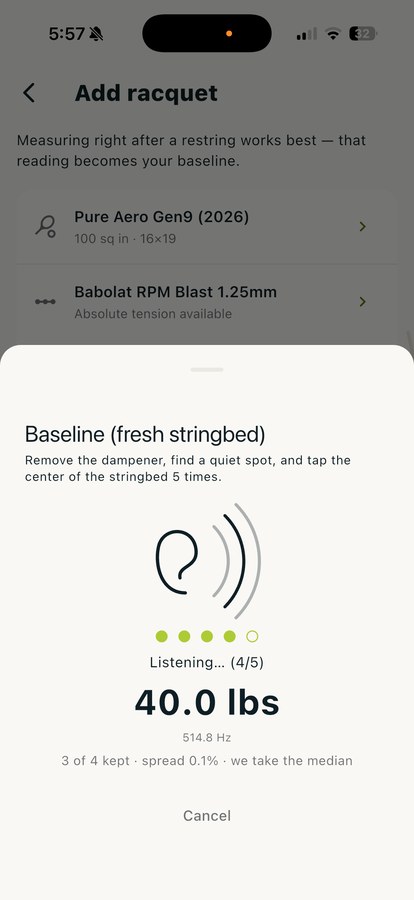
Tap the stringbed. Your phone reads the frequency and tells you how much tension is gone since it was strung. No gauge, no physics degree. One finger.
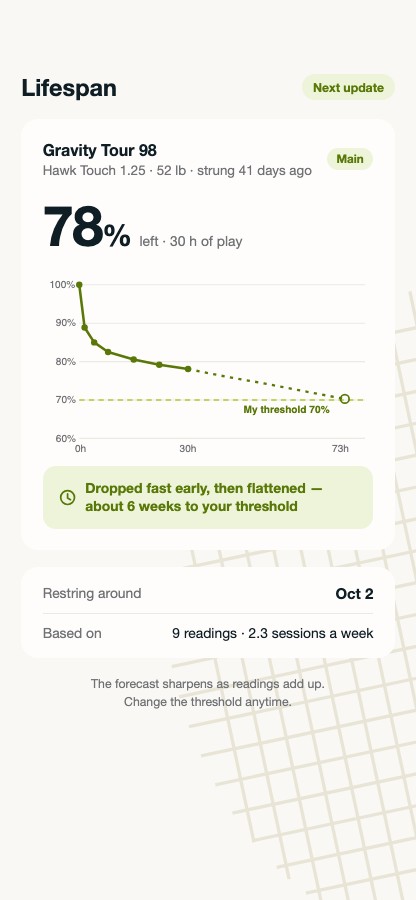
Screen is a preview of the next update.
DifferentWhat makes it different
- 0No hardware
Tap with a finger. No gauge, no physics, no thirty-minute YouTube tutorial.
- μOur own measured data
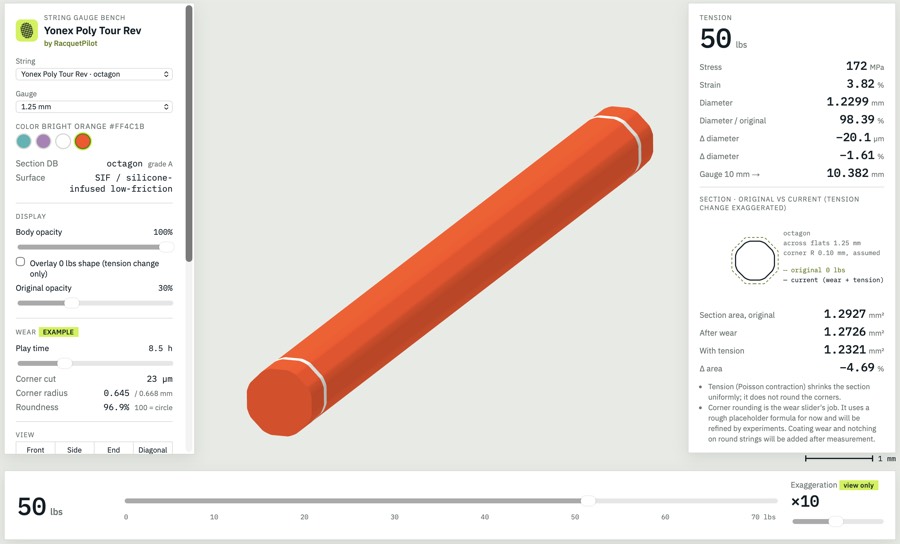
Every string constant in the math — all 129 — measured on our own jig with one method. We don't start from numbers someone else uploaded.
- ✕No recording
Sound becomes one number on your phone and is gone. No analytics, no ads, no accounts.
- %A ratio you can't argue with
Percent of day-one tension is just that. It's the one number we sell.
How it worksHow it works
- 01Pick
Your racquet and string from the list. Enter the tension and date, and that racquet gets its first data point.
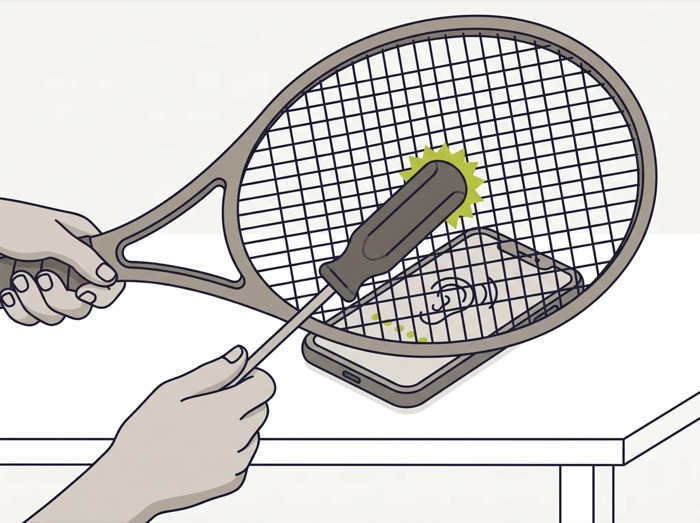
- 02Tap
Five taps in the middle, somewhere quiet. The mic reads the frequency. A screwdriver handle works best.
- 03Read
Today's tension and what's left of day one. Whether it's time to restring is now a number, not a feeling.
RacquetPilotWhat we do now, and next
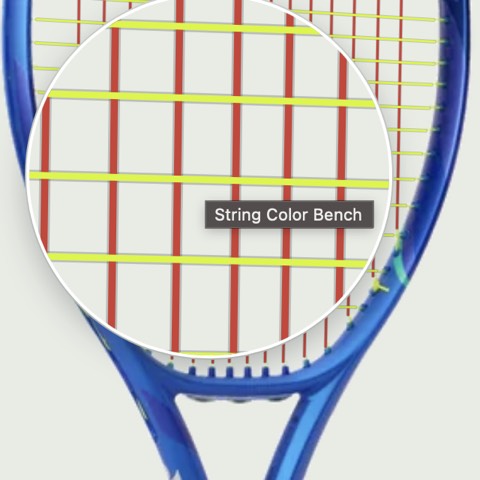
One app to start. The experiments and the data grow from strings to racquets and accessories.
ExperimentIs every 98 really a 98?
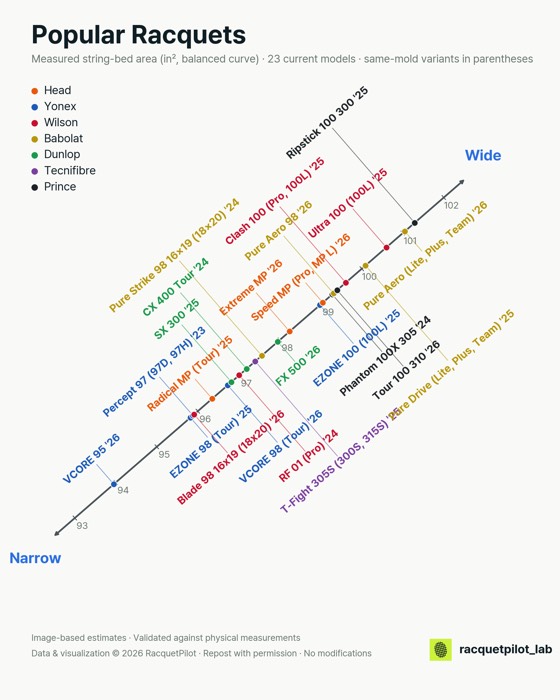
We lined up 23 racquets by measured face area. No. The same "98" runs from 94 to 99. So the tension math uses the measured area, not the number printed on the frame.
See how we measure area →An engineer who studied vibration in aircraft and helicopters switched to string vibration. These days I work as a data engineer who keeps physics in the loop. It started as a way to answer "when should I restring?" The physics was already there. No accounts, no ads. Tap, read the number, done.
Join the beta